 The Nine Doctors pathway from medical training to community care317
PBRI SUSTAINABILITY
Case Studies
The Nine Doctors pathway from medical training to community care
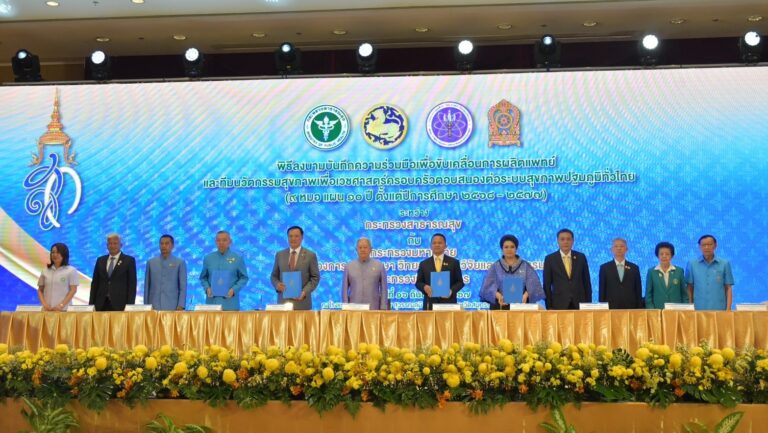
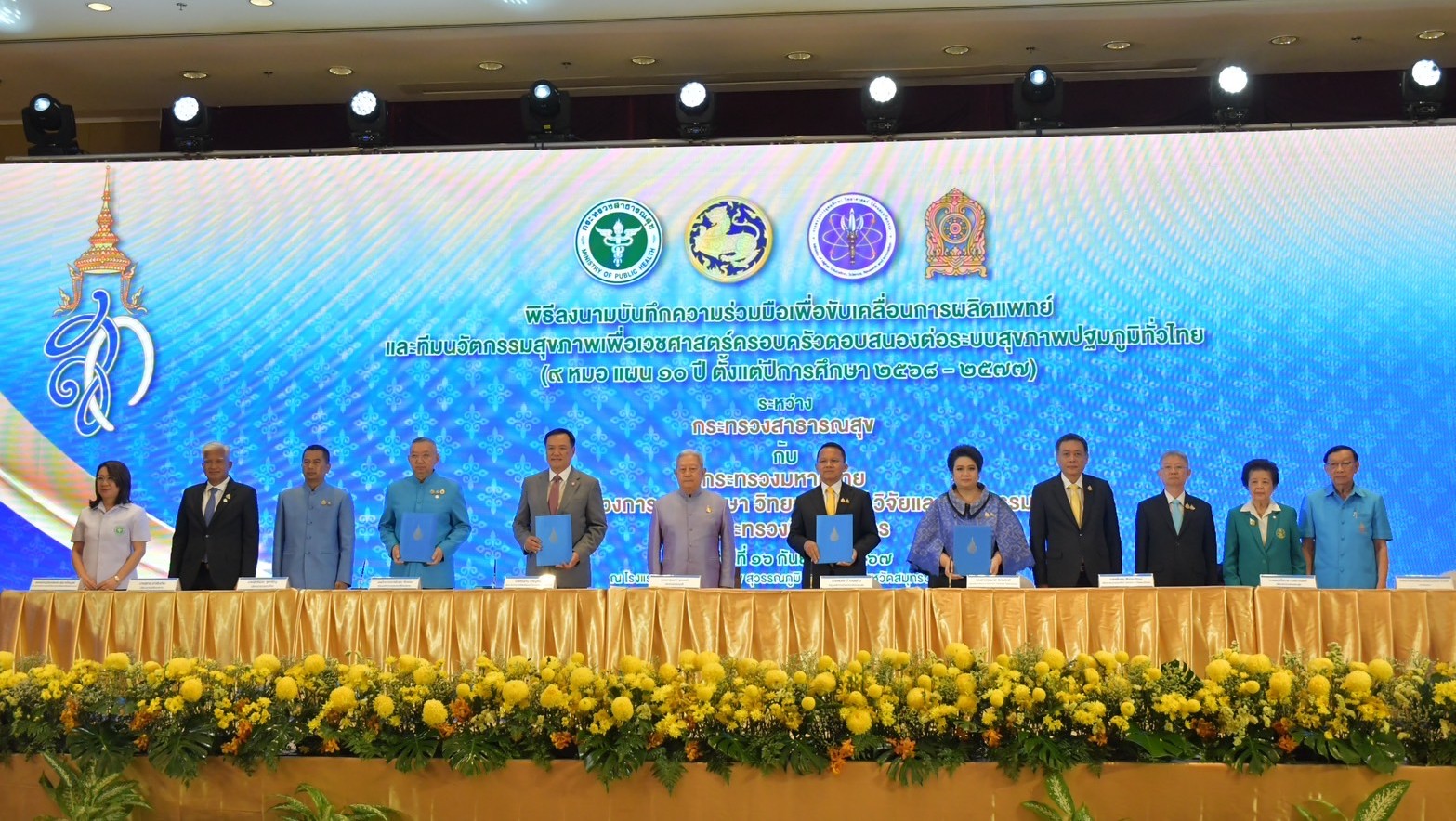
Built around the idea of graduates returning to their home communities, Praboromarajchanok Institute’s medical pathway connects six years of study with local learning and planned service at 92 commemorative health stations across Thailand.
Medical training with home communities in mind
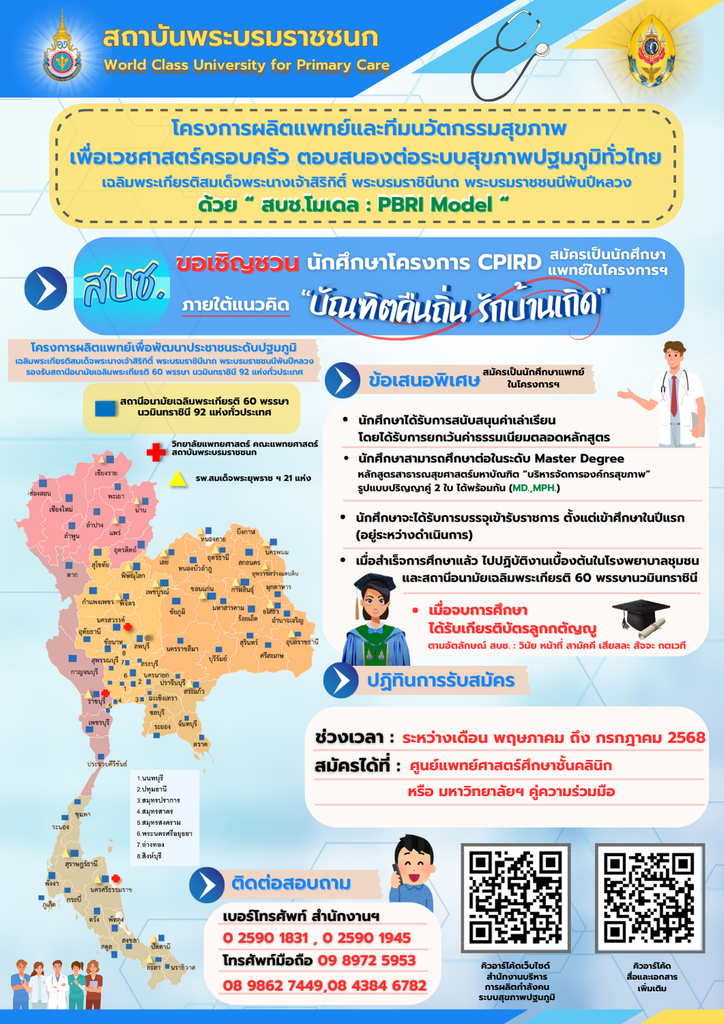
Praboromarajchanok Institute (PBRI), under Thailand’s Ministry of Public Health, connects medical education with local service needs through its programme to train doctors and innovative health teams for family medicine and primary care across Thailand. Honouring Her Majesty Queen Sirikit The Queen Mother, this medical pathway is intended to support 92 Queen Sirikit commemorative health stations through the PBRI Model.
The invitation reported on 5 May 2025 addressed students in the Collaborative Project to Increase Production of Rural Doctors (CPIRD). Applications were scheduled for May–July 2025 through clinical medical education centres or partner universities. The idea of graduates returning to their home communities linked entry into the programme with future work in community hospitals and health stations.
Six years of study connected with local services
The announced plan set out a six-year Doctor of Medicine programme for three cohorts of 92 students, beginning selection in academic year 2025. A quota of at least one student per province was intended to widen access to medical education and prepare doctors for local services. Training in the first three years was described as follows.
Year 1 Placement at a subdistrict health-promoting hospital.
Year 2 Placement in a community hospital.
Year 3 Integrated interprofessional education and practice, or IPE.
This sequence brings subdistrict services, community hospital care and teamwork across professions into the educational pathway. It connects the aim of returning to serve home communities with learning in the settings where primary care is delivered.
Five forms of support in the 2025 invitation
The recruitment report described support spanning students’ education and the period after graduation.
1 Tuition support Support for study through a waiver of fees throughout the programme.
2 Dual-degree study The opportunity to pursue a Master of Public Health in Health Organization Management alongside the medical degree through an MD and MPH dual-degree route.
3 Civil service appointment A proposed civil service appointment from the first year of study. The report explicitly described this arrangement as still under development when published.
4 A route into local practice Initial work in community hospitals and health stations after graduation.
5 Recognition for filial gratitude Recognition after graduation as a grateful child, named in the invitation, reflecting PBRI’s values of discipline, duty, unity, sacrifice, truthfulness and gratitude.
Connecting educational opportunity with primary care
The initiative arose from the Ministry of Public Health’s 2024 direction to strengthen primary care and address workforce shortages. Its three stated purposes were to honour Queen Sirikit on the occasion of her 91st birthday, the commemorative occasion in the programme’s origins; prepare personnel for primary care services based on family medicine; and expand regional and local access to medical and public health education, supporting equity in both educational capacity and quality.
This 92-station medical pathway sits within a wider nine-profession workforce programme approved in principle by the Cabinet on 20 February 2024, with a financial framework of THB 37,234.48 million for 2025–2034. It covers physicians, nurses, public health professionals, nursing assistants, public health assistants, dentists, pharmacists, emergency medical personnel and Thai traditional medicine practitioners. Community-based medical learning therefore connects with the work of a broader local health team.